
Windows
Window Won't Open? Why Windows Suddenly Stop Opening and What to Do
A window that won't open usually has a simple cause: a latch, paint, swelling, a dirty track or worn hardware. How to diagnose it by window type, what's safe to try, and when to call a pro.
By Murray Construction · July 23, 2025
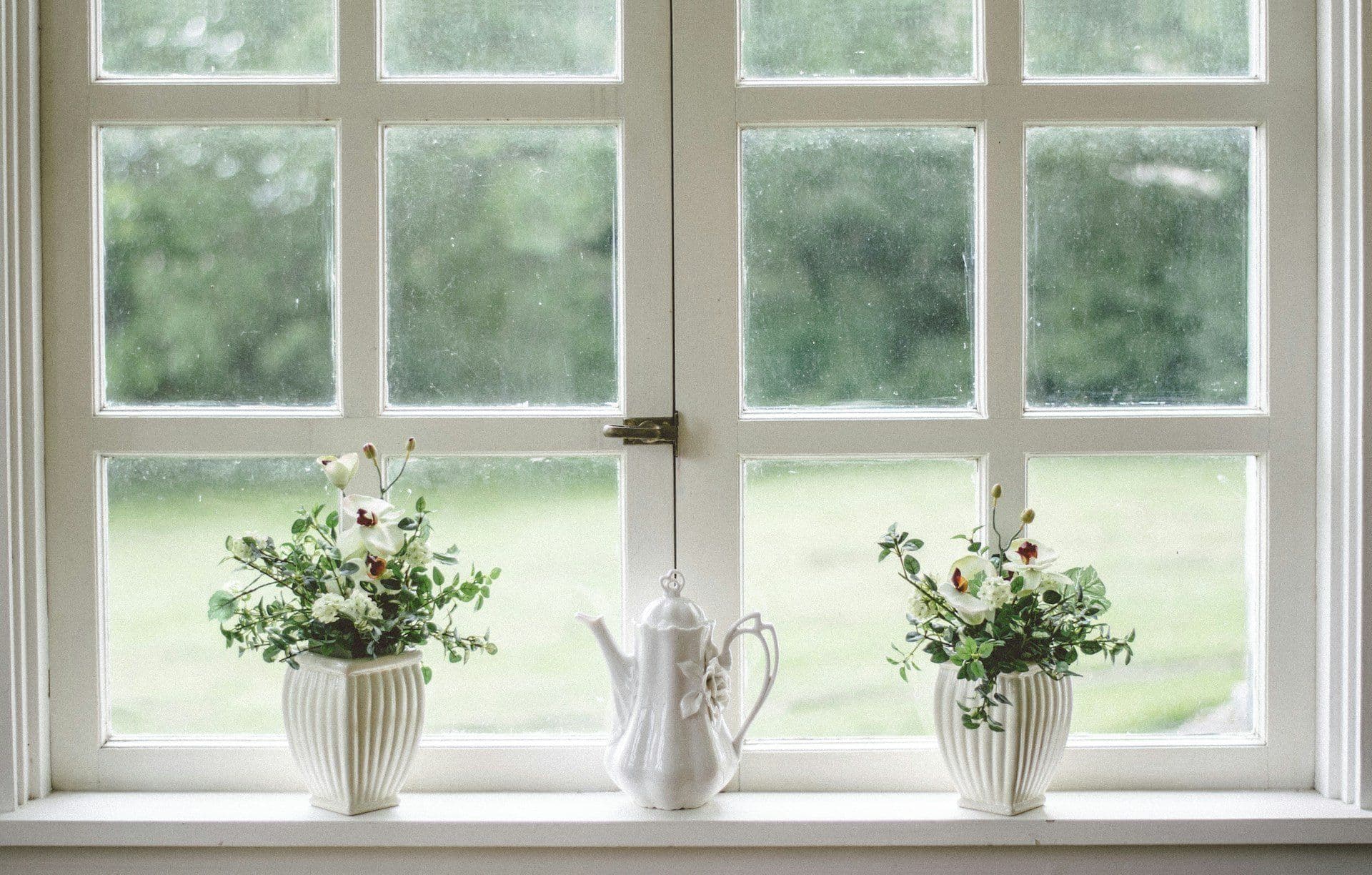
When a window won't open, the cause is usually one of a short list: a lock or tilt latch that isn't fully released, paint sealing the sash to the frame, wood swollen by humidity, a dirty track, or worn hardware like a stripped crank or a failed balance. Less often, the frame itself has shifted or rotted. The type of window you have narrows the list quickly.
Below: causes by window type, safe checks you can do yourself, when a stuck window is a safety issue, and how to choose between repair and replacement.
Why won't my window open all of a sudden?
A window that worked last month and won't open today has usually changed in one small way. Humidity has swollen a wood sash, a lock or tilt latch is half-engaged, debris has built up in a track, or a crank, balance or hinge has worn past its limit. Paint and settling cause stuck windows too, but they tend to build up slowly.
It helps to sort the problem by cause before you reach for a tool:
- Paint. A fresh coat can glue the sash to the stops. Look for paint bridging the gap.
- Humidity and swelling. Wood sashes take on moisture and bind, the same reason a front door sticks in hot, humid weather.
- Settling and out-of-square frames. As a house moves, the opening racks slightly and the sash pinches at one corner.
- Corrosion. Steel gears, hinges and lock parts rust, especially near salt water.
- Failed hardware. Cranks strip, balances break, rollers flatten, tilt latches crack.
- Locks. A partly engaged or broken lock can hold a window closed even when the handle looks open.
Double-hung window won't open: what to check
A double-hung window that won't open is most often painted shut, swollen, or held by a lock or tilt latch that isn't fully released. If the sash moves but feels very heavy, or drops when you let go, the balance system inside the jamb has likely failed. Each of these looks a little different once you know what to watch for.
- Painted shut window. Common in older wood double-hungs, sometimes inside and out. Paint bridges the joint between sash and stop or sill.
- Swollen wood. The sash moves an inch and jams, worse after rain or in midsummer.
- Sash cord or balance failure. Older windows use ropes and weights; newer ones use spring balances. When one fails, the sash feels much heavier than its partner or won't stay up.
- Tilt latches. On tilt-in sashes, a latch that isn't fully seated, or a sash put back off its balance shoes, binds in the track.
- The lock. The sash lock can look open while its cam still catches the other sash.
Casement window won't open, or an awning window isn't closing properly
Casement and awning windows run on a crank operator, hinges and arms. When a casement window won't open, the crank gears are usually stripped, the hinge tracks are corroded or packed with grit, or the sash is binding on its frame. An awning window that isn't closing properly usually has the same causes, plus a lock that no longer lines up.
- Crank spins, window doesn't move. The handle or operator gear is stripped.
- Crank won't turn. Rusted gears or an arm jammed in its track. Forcing the handle usually strips it.
- Opens partway and stops. Check the hinge tracks for sand, dirt or corrosion.
- Won't close tight. The sash has sagged on worn hinges, or the lock keepers have shifted.
If the sash itself binds against the frame, a new operator will strip again. Fix the binding first.
Sliding window stuck shut
A sliding window that won't open almost always has a dirty or bent track or worn rollers. Sand and grime collect in the bottom channel, and a dented track or flattened roller makes the sash drag. Cleaning fixes many sliders. A bent track or broken rollers need parts, and a badly damaged track may mean replacing the unit.
Safe homeowner checks before you call anyone
Most stuck windows can be diagnosed without tools, and several can be fixed with nothing more than a vacuum and a rag. Work through this list in order and stop as soon as something feels wrong. Never force a sash: a forced window can crack the glass, break the seal on an insulated unit, or tear the frame.
- Unlock fully. Open every lock all the way; casements and awnings may have a second lock lower down.
- Check tilt latches. Both latches at the top of a tilt-in sash should be pushed fully out into the track.
- Look for paint lines. Paint bridging the gap between sash and frame, inside or out, is your answer.
- Clean the tracks. Vacuum channels and hinge tracks, then wipe with a damp cloth.
- Lubricate with silicone. A light silicone spray on tracks and hinge slides doesn't collect dirt the way oil and grease do. Wipe overspray off the glass.
- Watch the crank. If it spins without moving the sash, stop. The gears are stripped.
- Look at the corners. An uneven gap, or a sash that rubs at one corner only, points toward settling.
What not to do
Don't pound on the sash or pry against the glass. Don't use a heat gun on a stuck window: heat near glass can crack it. If your home was built before 1978, assume old window paint may contain lead. Cutting, scraping or sanding it makes dust, and the EPA has lead-safe guidance for homeowners working on older homes that is worth reading before anyone disturbs that paint. For paid work in a pre-1978 home, hire a contractor who follows lead-safe work practices.
When is a window that won't open a safety issue?
A stuck bedroom window is more than an annoyance. Building codes generally treat bedroom windows as an emergency escape route, meant to open from the inside without keys or tools. If the only window in a bedroom is painted shut, nailed shut, or blocked by furniture or an air conditioner, fix that before anything else.
Also act quickly on a ground-floor window that won't close or lock, cracked glass from an earlier attempt to force the sash, or a sash that drops on its own and can pinch fingers. If you smell gas or see scorching or sparking near a window, step away from the window problem: call the utility or 911 for gas, and a licensed electrician for anything electrical.
Can a window break on its own, or is something bigger going on?
Hardware does wear out on its own, so a stripped crank or snapped balance isn't a warning sign by itself. Look closer when several windows stick at once, gaps around a window grow, or wood around the sill feels soft. Those signs point past the window to the structure around it.
- Rot in the sill or frame. Push gently on the sill and the lower corners of the frame with a screwdriver tip. Soft or crumbly wood means water has been getting in. Peeling paint, dark staining and swollen trim are early clues.
- Settling. Diagonal cracks running from window corners, doors that also stick, or floors that slope toward one wall can mean the framing around the opening has moved. That's a carpentry and structure question, and the fix belongs to someone who does framing and structural repair on Cape Cod homes, not to a new window alone.
- Failing insulated glass. A window that sticks and also shows haze between the panes has two problems. Our guide on what to do when windows start fogging between panes covers the glass side.
Cape Cod: salt air, humidity and seasonal homes
Windows on Cape Cod work harder than windows inland. Salt air settles on every exposed surface, and over a few seasons it corrodes steel crank gears, hinge tracks, and lock parts on casements and awnings. Homes near the water in Sandwich, Bourne, Falmouth and Mashpee often see crank and hinge failures earlier than homes a few miles inland.
Humidity is the second factor. Wood sashes swell through damp summers and shrink in heated winter air, and over years that cycle loosens joints and wears paint.
Seasonal homes have their own pattern. A house closed for months sits with little air movement, so moisture builds, sand in tracks hardens, and unused hardware seizes. Before closing up, clean and lightly lubricate tracks and operators; on return, open each window gently.
Should you repair or replace a window that won't open?
Repair makes sense when the window is sound and only one part has failed: a stripped operator, a broken balance, worn rollers, or paint holding the sash shut. Replacement makes more sense when the frame is rotted, parts are no longer made, several hardware failures stack up, or the insulated glass has failed as well.
A rough way to decide:
- Usually a repair: painted shut window, dirty track, one stripped crank, one failed balance, a loose or misaligned lock.
- Could go either way: swelling that returns every summer, corroded hinges on a coastal casement, a sash that has started to sag.
- Usually a replacement: rotted sill or frame, glass seal failure plus hardware failure, discontinued parts, or windows that are hard to operate across the whole house.
If you replace, check the opening for rot and squareness too. Murray Construction is an Andersen Certified Contractor, and window installation on Cape Cod is a regular part of the work, including opening up and repairing damaged framing before a new unit goes in.
When to call a pro, and which pro
Call for help when the simple checks don't free the window, you find soft wood or signs of settling, a bedroom window can't open, or old paint needs to be cut. Different problems belong to different trades.
- A carpenter or window contractor: stuck or swollen sashes, rot in the sill or frame, out-of-square openings, failed hardware you can't source, and window replacement.
- A lead-safe certified contractor: any paid work that disturbs paint on windows in a pre-1978 home.
- A licensed electrician: scorching, sparking or a dead outlet near the window.
- The gas utility or 911: a gas smell anywhere in the house.
John Murray is personally on every Murray Construction project, so the master carpenter who looks at the window is the one who does the work.
Frequently asked questions
How do I open a window that is stuck shut?
Unlock it fully, check tilt latches, and look for paint along the gap. Clean the tracks and apply a light silicone spray, then try lifting or cranking with steady, even pressure. If it still won't move, stop. Forcing a stuck window is how glass cracks and frames split.
Why is my double-hung window hard to open?
The most common reasons are paint along the sash, swollen wood in humid weather, dirty tracks, or a broken sash cord or balance. If one sash feels much heavier than the other or won't stay up, the balance system has likely failed and needs new parts.
Why won't my casement window crank open?
If the handle spins without moving the window, the operator gears are stripped. If the handle won't turn, the gears may be rusted or the arm jammed in its track. On Cape Cod, salt air corrosion on cranks and hinges is a frequent cause. Clean the tracks first, then replace the operator if needed.
Why is my awning window not closing properly?
Usual causes are grit in the hinge tracks, a sash that has sagged on worn hinges, or lock keepers that have shifted out of line. Clean and lubricate the tracks, then check whether the sash meets the frame evenly. Uneven gaps can also point to settling or a swollen frame.
What should I do about a broken window lock?
A broken window lock can leave a window unable to open or unable to secure. Replacement locks are available for many window brands, matched by model. If the lock won't release and the window is a bedroom's only escape window, treat it as urgent and have it fixed promptly.
Is it safe to use a heat gun on a painted shut window?
Avoid it. Heat near glass can crack it, and old paint in homes built before 1978 may contain lead. Scoring the paint line with a sharp knife is gentler, but in an older home, any paint work should follow lead-safe practice, which is reason enough to hand the job to a pro.
Why do my windows stick after the house has been closed all winter?
Closed houses trap moisture, sand in tracks hardens, and hardware that sits unused can corrode, especially near salt water. Open each window gently when you return, clean and lightly lubricate the tracks, and repeat before you close up in the fall.
Get a stuck window looked at
If a window won't open and the simple checks didn't solve it, Murray Construction can look at the window and the framing around it and tell you plainly whether it needs repair or replacement. Call (508) 648-3215 or reach out through the contact page, and learn more about Cape Cod window replacement and installation.